A general clinic system handles appointments, a consultation note, a prescription and a bill. That's enough for a general practice. A specialty clinic needs more, because the records that matter in a dental chair or an eye OPD aren't the records that matter in a dialysis unit. When the software has no place for a specialty's records, those records end up on paper, and that's where an assessor finds gaps.
This is what I'd expect clinic management software to hold for each specialty, beyond the common day of appointments, consultation, prescriptions and billing.

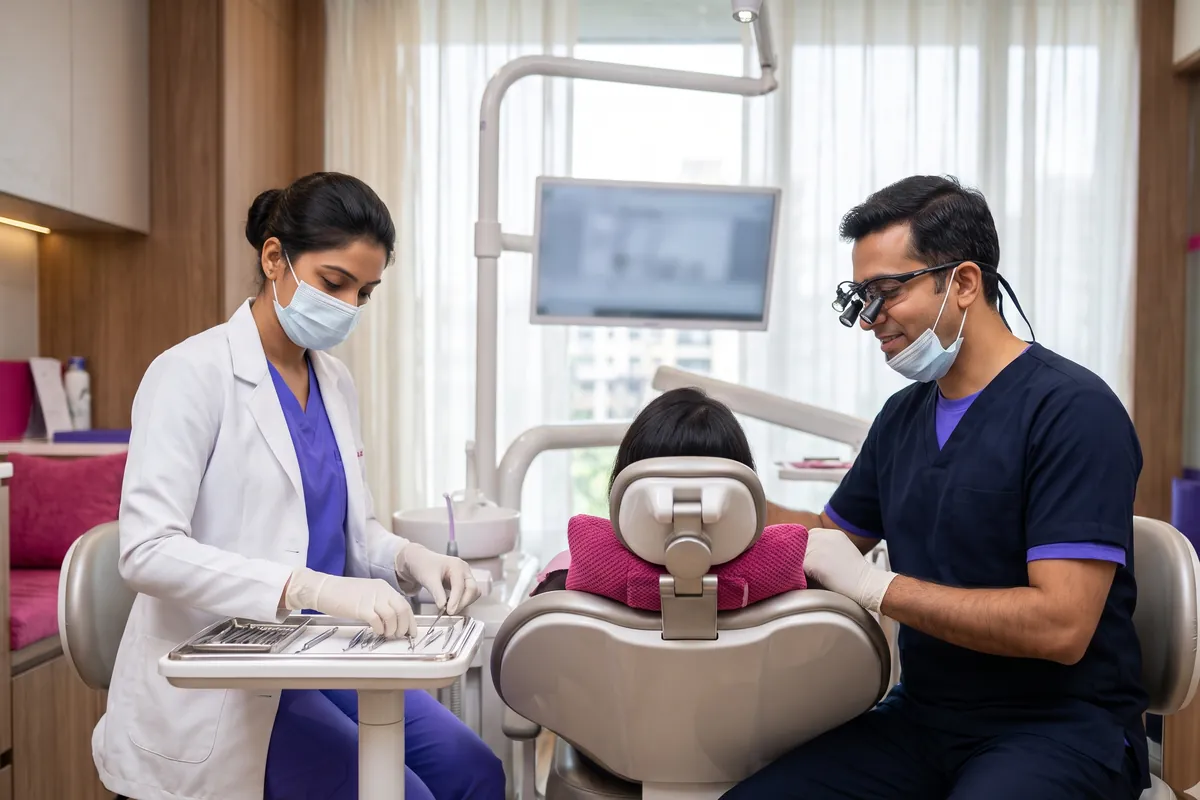
Dental
A tooth chart using FDI numbering for permanent and primary teeth, with surfaces, findings and planned and done treatment for each tooth. A periodontal chart. Lab work orders for crowns, bridges, dentures and aligners, with the shade and the status. An implant register and recall reminders.
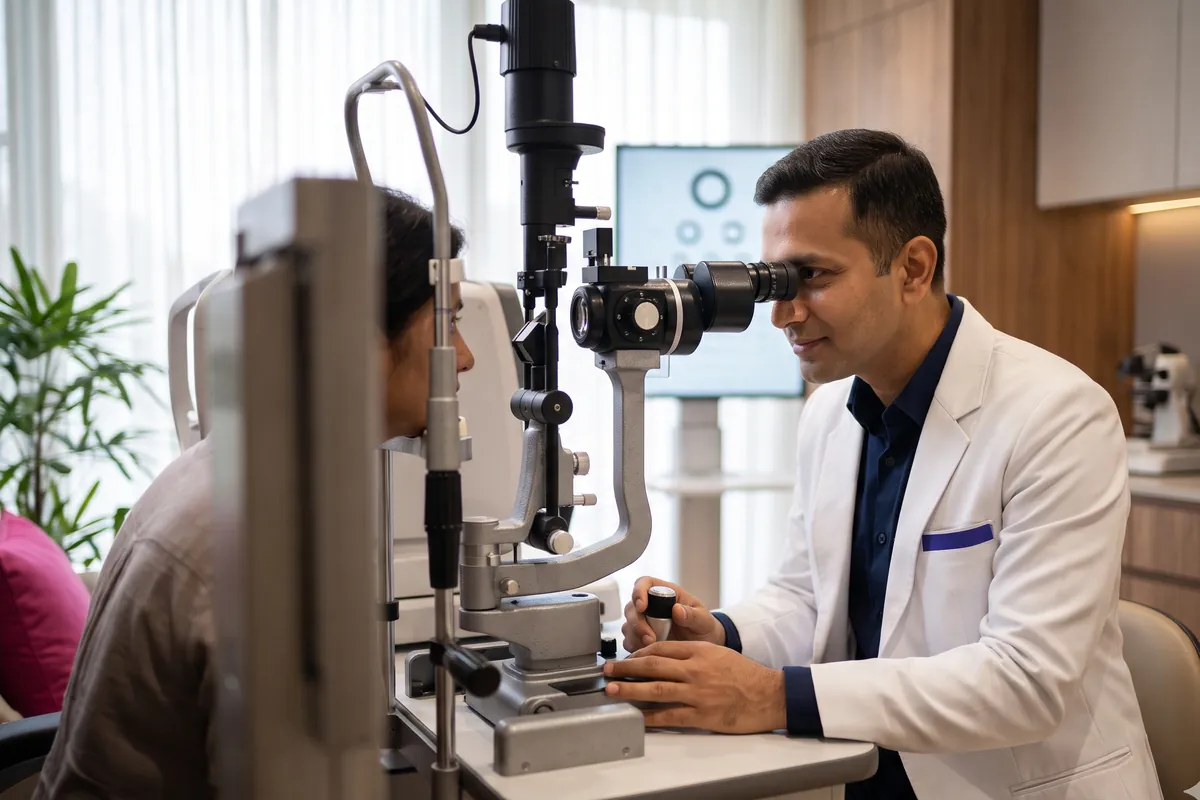
Eye care and ophthalmology
Visual acuity (Snellen, LogMAR and near), refraction (auto, subjective and cycloplegic), IOP with the method and the time, slit-lamp and fundus findings for each eye, and gonioscopy. Spectacle and contact lens prescriptions, biometry and the IOL record, a surgery register with outcomes, and optical orders.

Skin, hair and aesthetics
Lesions marked on a body map, the Fitzpatrick type, scores such as PASI, SCORAD and MASI, and photo series to compare visits. Session parameters for laser, peels, PRP, microneedling and hair transplant grafts, with packages.
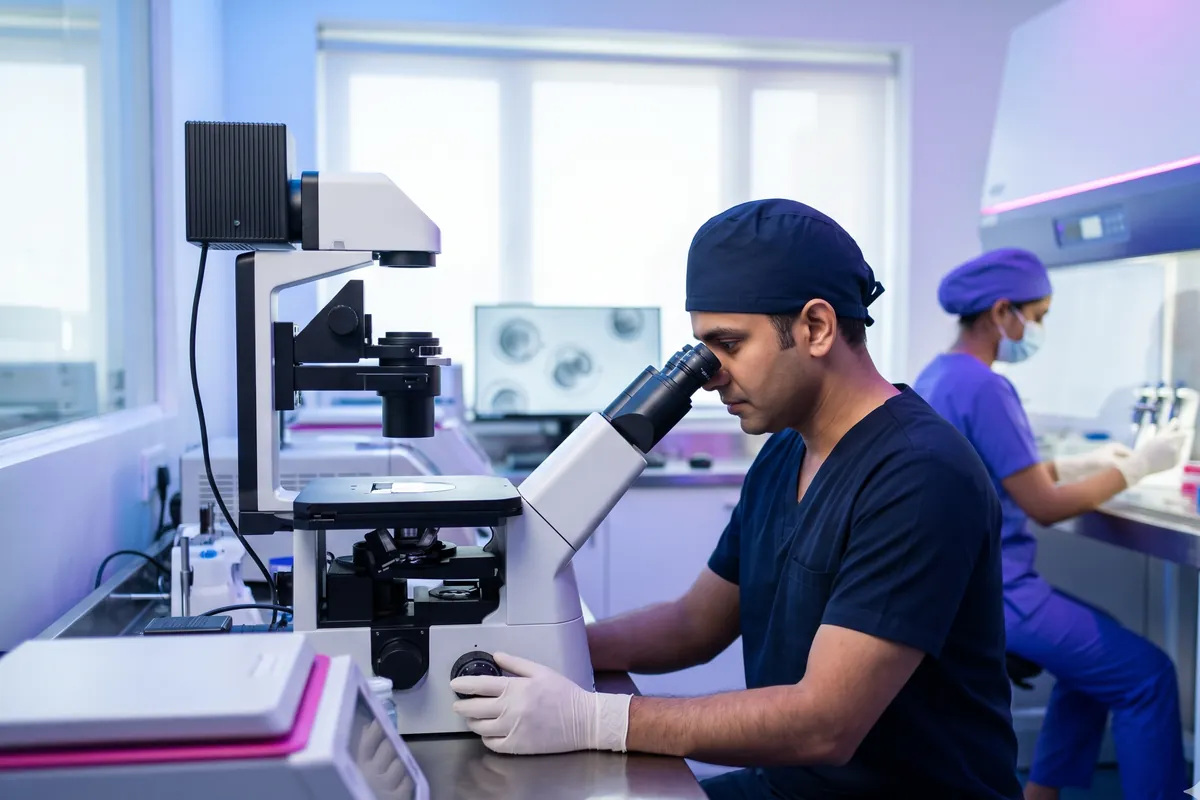
IVF and ART
The couple record with the age checks the ART Act asks for, consents, the stimulation chart, trigger and OPU, andrology and embryology, transfer, and cryo-storage with the exact tank, canister, cane and goblet location and its renewal. There should be no field that records the sex of an embryo.
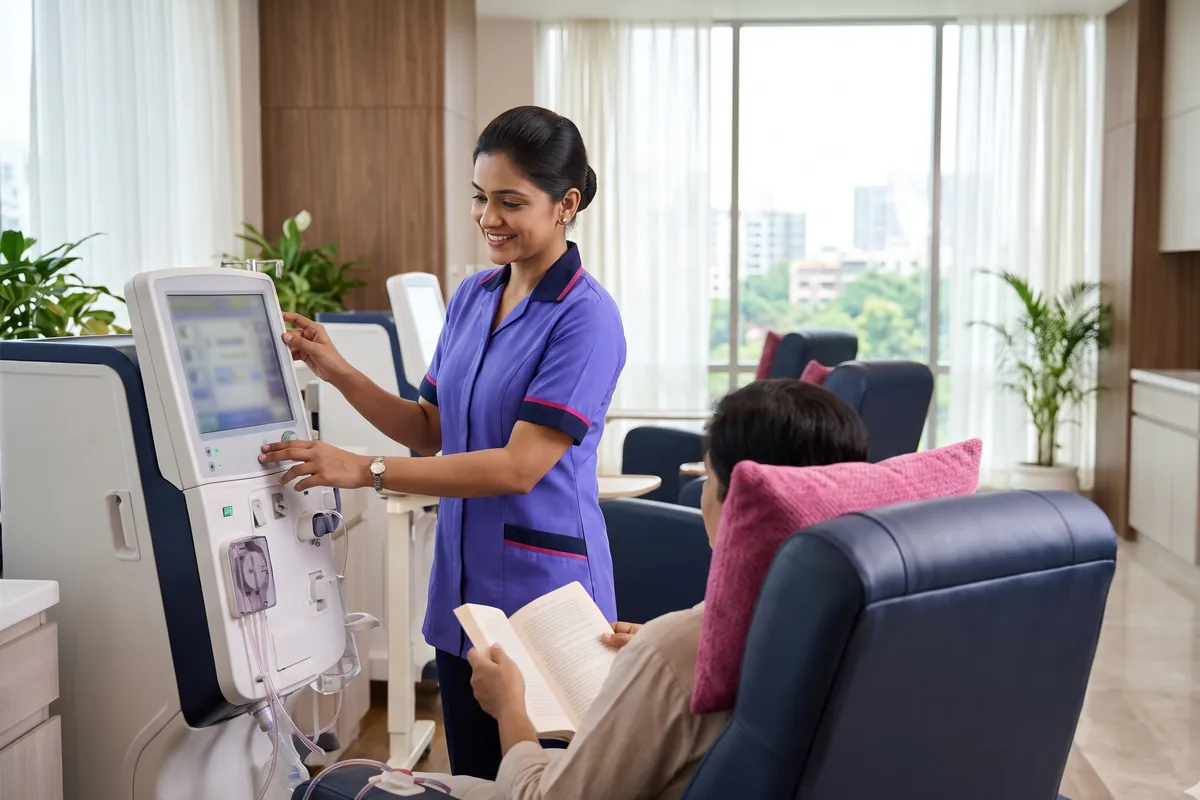
Dialysis
A dialysis profile for each patient, a shift and machine board, viral-marker segregation, the pre- and post-dialysis session chart, the dialyser reuse log, URR and Kt/V, and the water quality and machine disinfection registers.
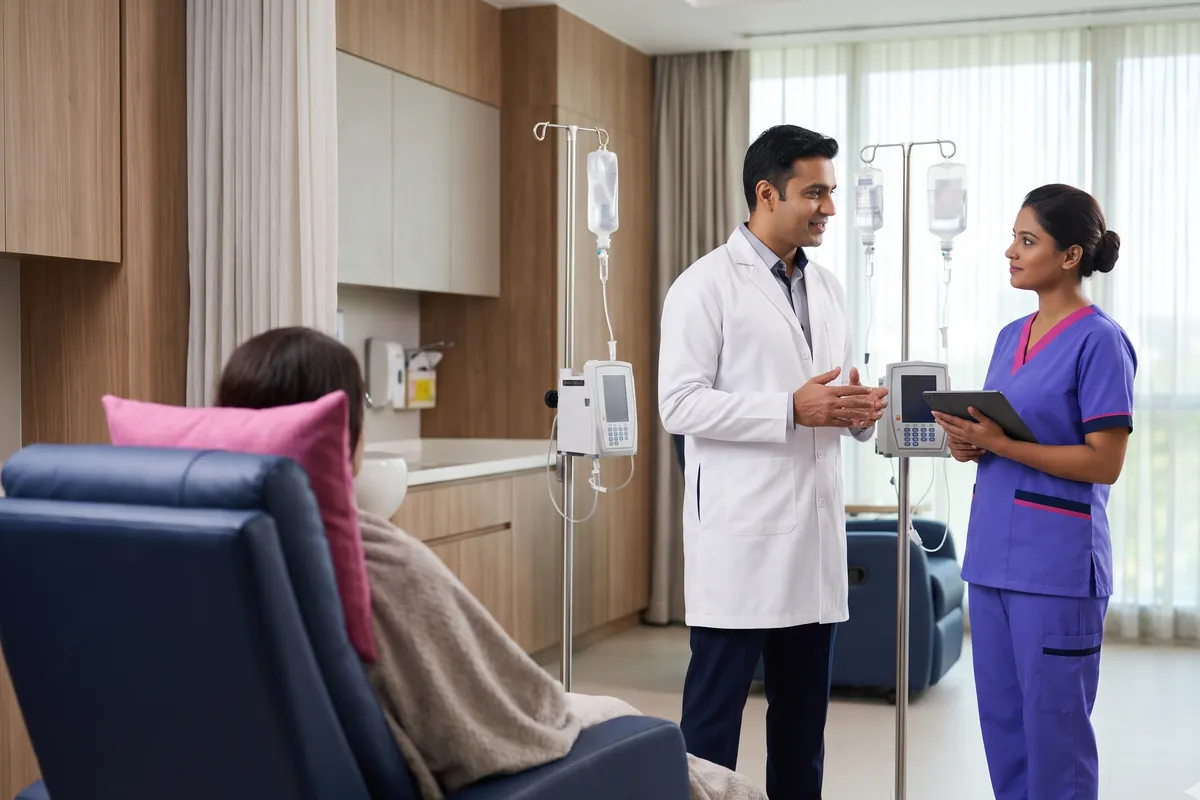
Oncology day care
A regimen master, doses by BSA, Calvert or weight with rounding, cycle scheduling, pre-chemo checks, two-person verification, the administration chart, extravasation and reactions, cumulative dose, and the hazardous drug register.

Diabetes, endocrinology, nutrition and weight loss
Targets for each patient against the latest HbA1c, glucose, blood pressure and LDL, foot and eye screening, the usual calculations such as eAG and FIB-4, diet plans from templates, and weight programmes with check-ins.

Paediatrics and obstetrics
The IAP vaccination schedule with a batch register and a due list, growth and development charts, the ANC card with EDD and gestational age, risk flags, and postnatal and contraception records. Ultrasound should go through the radiology side with the PCPNDT safeguards.

Physiotherapy, therapies and mental health
Therapy plans with goals and sessions that use up a package, functional scales and their trends, and home exercise sheets. Speech, occupational therapy and child development forms. For psychiatry, counselling and de-addiction, restricted notes that only the care team can open, with every read recorded, Mental Healthcare Act records, and an OST dispensing register with a witness.
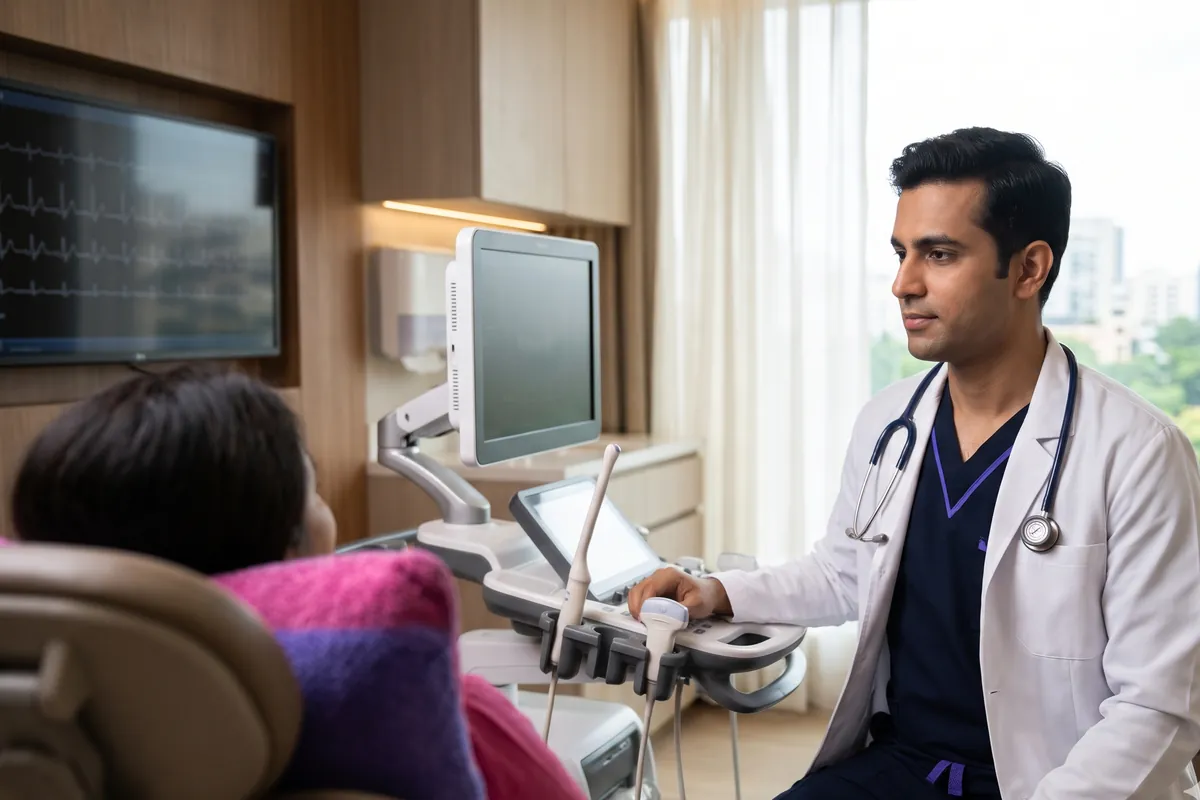
ENT, cardiology and endoscopy
The audiogram and tympanogram with the hearing grade worked out, hearing-aid trials and sales; ECG, echo, TMT and Holter reports from templates with the figures calculated; endoscopy reports with the scope register, where a scope can't be used unless its last disinfection passed, and the disinfection log; and a day-care surgery list with the safe-surgery checklist.

Occupational health
For a clinic that serves companies: employers on file with their contract tariffs, health camps run from a camp desk, examination packages billed to the employer, numbered fitness certificates, the periodic examination register with due lists, and statements for each employer. The employer should see only the verdict and the next due date unless the employee agrees to share more.

AYUSH
A prakriti record and the Ayurveda and homoeopathy case-taking forms, Panchakarma plans by day with a session board by room and therapist, a booking that is stopped when the room or the therapist is busy, the session record with vitals and consent, and an AYUSH medicine store with the classical or proprietary details of each medicine.

Polyclinics
A clinic that runs several specialties needs all of its modules in one system, with one patient record across them. The front desk should book and queue patients for every department from one screen, and a patient seen by two doctors should have one history, one bill and one set of lab and imaging reports. The owner's MIS should cover all the departments together. Paying only for the specialties you run makes sense.

Where NABH comes in
NABH has separate standards for allopathic clinics, small healthcare organisations, dental, eye care, ART and AYUSH. A clinic preparing for one of them should be able to see each clause against its own records and registers, with the gaps listed, and put an evidence pack together for the assessor. As with any software, this shows you where your records are. It doesn't make you compliant. The assessor decides.
What my team built
My team built Clinibank for this. It's clinic management software for every kind of clinic, with modules for eighteen specialties, from dental, eye care and AYUSH to IVF, dialysis and psychiatry. It runs on your own Windows computer with no internet needed, and NABH dashboards and evidence packs are built in. There's a 7-day demo, and the details are at lexmedix.in/clinibank.
If you're choosing software for a specialty clinic, take your own specialty's list from above to the demo and ask to see each item.